


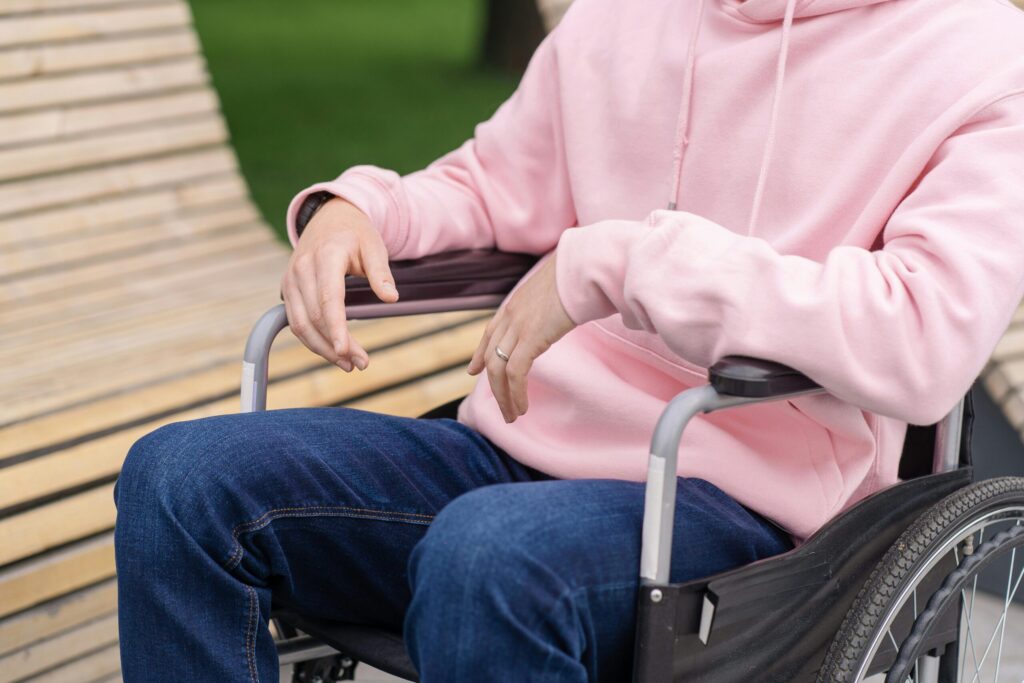
Supporting a larger-bodied or less mobile person in the bathroom can be challenging — not only for the individual but also for carers, nurses, and family members. Slippery surfaces, low toilet heights, and standard-size equipment can increase anxiety and significantly raise the risk of slips, falls, and injury.
For bariatric users or people with very limited mobility, choosing the right bathroom aids is essential for preserving dignity, maintaining independence, and reducing physical strain for everyone involved. At Safety & Mobility, we specialise in practical, bariatric-rated solutions that improve safety at home and in care settings. Our full range of options can be explored in our Bariatric Equipment category. Likewise our range of Bathroom and Toilet Aids are designed for those with limited mobility and provide options for dignified and safe hygiene care.
Why Larger and Less Mobile Users Need Specialised Bathroom Aids
Standard bathroom fixtures are designed for the average user — which means they often fall short for heavier, broader, or less mobile individuals. Low toilet heights can make sitting and standing difficult, narrow seats cause discomfort and pressure points, and lightweight frames may not safely support a higher body weight. Even well-intentioned equipment can fail if it isn’t rated for the user.
These limitations can lead to serious risks, including:
- Increased likelihood of slips and falls
- Equipment instability or collapse
- Skin tears, pressure points, and postural discomfort
- Greater carer strain, awkward manual handling, and potential injury
But beyond physical safety, there is the emotional impact to consider. When people feel unstable or fear falling, bathroom routines become stressful and undignified. Specialised bathroom aids are designed to address these concerns — giving users the space, stability, and comfort they need to feel confident.
2. Choosing Safe and Comfortable Toilet Solutions
Toilet transfers are one of the most common points of risk in the bathroom. Fortunately, there are several aids designed to make this essential task safer and more comfortable for larger users or those with limited mobility. When selecting toilet aids, consider features such as:
- Easy height adjustment for sit-to-stand transfers
- High SWL (Safe Working Load)
- Extra-wide, contoured seats for comfort
- Reinforced, rust-resistant frames
- Non-slip feet
Raised Toilet Seats and Over-Toilet Frames
Raised toilet seats help reduce the distance a user needs to lower or lift themselves, easing pressure on the knees, hips, and back. Some models come with supportive armrests which can be used for balance and stability. Different from raised toilet seats but excellent for individuals with limited mobility, a sturdy over-toilet frame provides extra stability and hand support. These are easy to situate and don’t require installation.
Bariatric Commodes for Enhanced Support
For users who need a more robust solution, bariatric commodes offer reinforced frames, wider seats, and higher Safe Working Loads (SWL) to ensure comfort and stability. Many are height-adjustable, allowing carers to tailor the setup to the user’s exact needs.
Adjustable-Width Commodes
Some users require additional space to sit comfortably. Adjustable-width commodes — such as our Adjustable Width Commode (48–63cm) — offer flexible sizing without compromising on stability. These solutions are ideal for bariatric users who need a little extra room or those whose body shape makes standard chairs unsuitable.
3. Shower and Washing Aids That Support Larger Bodies and those with Lower Mobility
The shower environment can be one of the highest-risk zones for falls. Water, soap, and limited space make it essential to choose stable seating and supportive fixtures.
Bariatric Shower Chairs and Stools
Purpose-built bariatric shower chairs and stools provide wide, supportive seating and reinforced construction. Look for:
- Armrests for confidence and safer transfers
- Backrests for postural support
- Drainage holes for hygiene and comfort
- Anti-slip feet for stability on wet surfaces
Transfer Benches
A transfer bench allows users to sit down before entering the shower recess, reducing the effort needed to step over a bathtub or hob. For people with low mobility or balance issues, this significantly reduces fall risk.
Aids for Limited Reach
Items like long-handled sponges, bendable washers, and handheld shower heads can help users maintain independence with personal hygiene, without overstretching or overbalancing.
4. Reducing Fall Risk with Support Rails and Non-Slip Surfaces
Support rails are one of the simplest, most effective ways to improve safety. When placed strategically near the toilet, shower entry, or along walls where transfers occur, they give users something stable to hold onto. These aids are useful for both bariatric users and individuals with lowered mobility. It is critical that support rails are professionally installed to ensure that they are able to support a user and do not cause damage or injury.
For bariatric users, it’s especially important that rails:
- Have a high load rating
- Are securely installed
- Are positioned at a height that suits the user’s natural reach
Similarly, non-slip mats, textured flooring aids, and decluttered pathways also play a critical role in reducing falls. Explore our Fall Prevention and Bathroom Safety category for additional support options.
5. Matching Bathroom Aids to Individual Needs
Every user is different — and bathroom aids should reflect that. When choosing the right equipment, consider:
- User weight and body shape: seat width, leg clearance, and frame strength matter.
- Mobility level: Are they independent, partially assisted, or fully dependent?
- Bathroom layout: Measure clearances around the toilet, shower, and doorways.
- Carer needs: Equipment must reduce manual handling risks, not introduce new ones.
The right aids protect both the user and the caregiver, making daily routines safer and less physically demanding.
6. When to Seek Professional Guidance
For mobility challenges or bariatric needs, advice from an occupational therapist, physiotherapist, or mobility specialist can be invaluable. A professional assessment ensures:
- The equipment is appropriate
- The environment is suitable
- Installation or setup is safe
- The combination of aids supports long-term mobility goals
If you need guidance selecting products, our team at Safety & Mobility is here to help. Visit our homepage or contact us directly for personalised recommendations.
FAQs
Bariatric-rated commodes, shower chairs, and over-toilet frames are the safest choices. These products offer wider seats, reinforced frames, and higher Safe Working Loads to support users comfortably and confidently.
Check the listed SWL (Safe Working Load) and ensure the frame, seat width, and design match your needs. Always choose products with a generous safety margin rather than relying on standard capacities.
Some standard equipment may not be safe or comfortable for larger-bodied users. Bariatric-specific products are engineered to reduce the risk of equipment failure, instability, and discomfort.
Aids such as raised toilet seats, grab rails, shower chairs, and transfer benches reduce the effort needed to stand, sit, or move as well as support balance and stability — significantly lowering fall risk for both user and carer.
Speak with an occupational therapist or healthcare professional for personalised guidance. The team at Safety & Mobility can also discuss options for appropriate bariatric and fall-prevention equipment to suit your needs and can speak with your healthcare professional to discuss options.
Photo by SHVETS production: https://www.pexels.com/photo/person-in-pink-hoodie-and-blue-denim-jeans-sitting-on-a-wheelchair-8415624/