


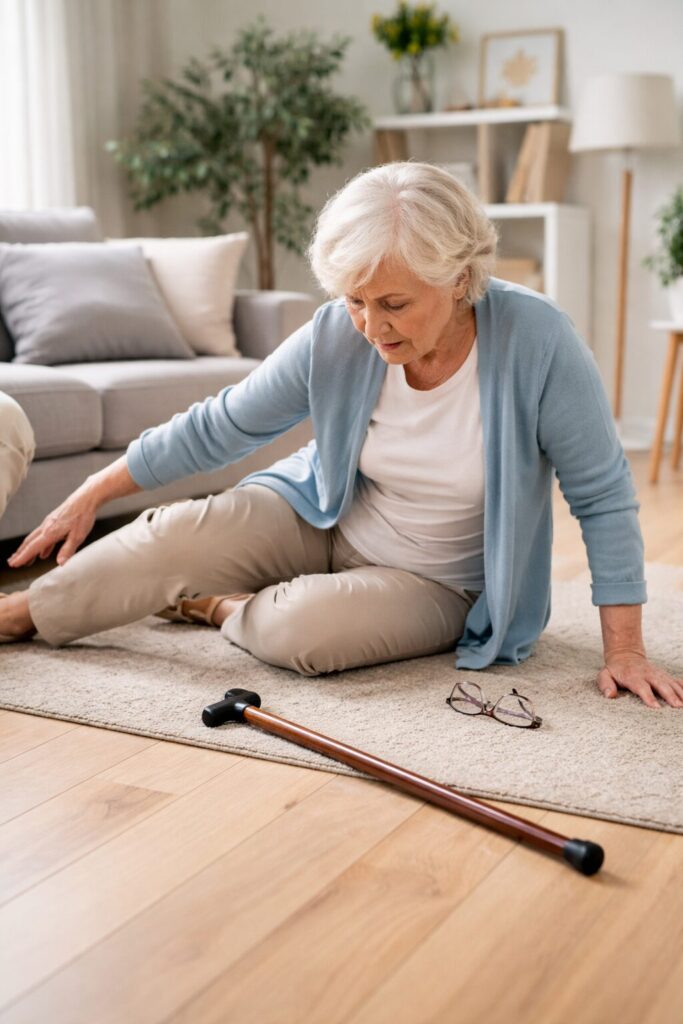
As more older Australians choose to age at home, the conversation around safety and Fall Prevention is shifting. Rather than reactive solutions after an incident, families and care providers should look to proactive tools that reduce risk while preserving dignity and independence. Smart home safety devices play an important role in this approach, offering subtle support that helps seniors move around their homes with greater confidence and gives carers peace of mind.
From improved lighting to discreet alert systems, these technologies are not about surveillance or restriction. Instead, they are practical aids designed to support everyday living and enable faster assistance when it matters most.
Why Home Safety Becomes More Important With Age
Ageing naturally brings physical changes that can increase the risk of falls. Reduced balance, slower reaction times, changes in vision, and muscle weakness all make everyday movements more challenging. Even standing up from a chair or turning in a hallway can become hazardous under the wrong conditions.
Many falls occur during routine activities at home, particularly when getting out of bed at night, navigating dark hallways, or transferring from chairs without adequate support. The Australian Commission on Safety and Quality in Health Care highlights that most falls among older people occur in and around the home, and that targeted home safety interventions are a key strategy for reducing harm.
According to the Falls Guidelines for Older People Living in the Community, falls prevention should focus on identifying individual risk factors and modifying the home environment where possible. You can read the full guidelines here.
By focusing on prevention and early alerts, families and care providers can significantly reduce both the severity of injuries and the time it takes to respond after an incident.
Using Smart Lighting to Reduce Night-Time Falls
Poor lighting is a major contributor to trips and falls, especially overnight. Older adults often experience slower visual adaptation in low-light conditions, increasing the likelihood of misjudging steps, obstacles, or changes in floor level.
Smart lighting solutions, such as low-level night lights or motion-activated lights, can automatically illuminate bedrooms, hallways, bathrooms, and entry points when movement is detected. This hands-free operation removes the need to fumble for switches and provides immediate visibility exactly where it is needed. For lower-tech options that pair well with other tools, glow-in-the-dark tapes and light switch covers can assist with nighttime orientation.
The national falls guidelines identify environmental hazards such as inadequate lighting as modifiable risk factors. Addressing these hazards through practical changes like improved lighting is strongly recommended as part of a comprehensive falls prevention plan.
When paired with clear walkways and the removal of trip hazards such as loose rugs or clutter, smart lighting can significantly improve confidence and safety during night-time movement.
Bed and Chair Alarms as Early Warning Systems for Fall Prevention
Bed and chair alarms are proactive safety devices that alert carers when a person attempts to stand or leave a bed or chair. Rather than responding after a fall has already occurred, these alarms allow assistance to arrive before a risky transfer takes place.
The falls guidelines emphasise the importance of early identification and management of fall risk, particularly for individuals with impaired mobility, balance issues, or cognitive changes. Alert systems that support timely supervision align with this preventative approach.
Common use cases for bed and chair alarms include night-time wandering, post-surgery recovery, and situations where a person may forget to ask for help before standing.
Modern alarm systems are designed to be discreet and unobtrusive, supporting dignity while improving safety. Options such as the CareWatch Bed Alarm and the Carewatch Chair Alarm can be used effectively in home and care environments.
Fall Prevention Through Monitoring and Alerts
Smart safety devices are most effective when used as part of a broader fall prevention strategy rather than as standalone solutions. The community care falls guidelines recommend multifactorial, person-centred interventions, combining environmental modifications, monitoring, and support equipment.
Early alerts from alarms or motion sensors allow carers to assist before a fall occurs, reducing the likelihood of injury. Faster response times also mean less time spent on the floor if an incident does happen, which can lower the risk of complications.
For best results, monitoring and alert systems should be combined with physical supports such as grab rails, non-slip mats, and appropriate seating. A range of complementary solutions can be found in the Safety & Mobility fall prevention products category here.
Matching Smart Safety Devices to Individual Needs
Not every senior requires the same safety setup. The falls guidelines stress that interventions should be tailored to individual risk profiles rather than applied universally.
When choosing smart safety devices, consider:
- Mobility level
- Cognitive awareness
- Living situation (alone, with family, or supported care)
- Carer availability and response needs
For example, someone living independently with mild balance issues may benefit mainly from smart lighting, while a person with frequent unassisted transfers may require bed or chair alarms. Tailored solutions are more effective and better accepted by users.
Supporting Independence While Improving Peace of Mind
Smart safety devices help seniors remain independent while offering families reassurance that support is available if needed. Rather than restricting movement, these tools provide assistance only at critical moments.
This balanced approach aligns with national guidance that prioritises safety without compromising autonomy, enabling older Australians to age in place with confidence.
When to Seek Professional Advice on Fall Prevention Equipment
Safety and Mobility always recommend seeking professional advice prior to purchasing equipment to ensure is it appropriate for the individual’s needs. Occupational therapists and other healthcare professionals can assess fall risk, recommend environmental modifications, and guide device selection.
You can also speak with Safety & Mobility’s passionate and knowledgeable customer service team for advice on choosing alarms and fall-prevention equipment that works alongside your existing home setup. As a trusted supplier of senior safety and mobility equipment, Safety & Mobility supports families, carers, and professionals in creating safer home environments. To explore available solutions, visit the Safety & Mobility homepage.
Frequently Asked Questions
Smart lighting improves visibility and orientation, motion sensors reduce risk in high-traffic areas, and bed or chair alarms alert carers early, allowing assistance before a fall occurs.
Yes. They can be used effectively in home settings, particularly when carers are nearby or monitoring overnight movement. It is always best to speak to a Safety and Mobility customer service representative prior to purchasing to ensure the device will be appropriate for your home.
No. These devices are designed to support independence by providing assistance only when needed.
Bedrooms, bathrooms, hallways, and seating areas are typically the highest risk zones.
Occupational therapists and other appropriately qualified healthcare professionals can provide specific, personalised advice. Safety & Mobility’s customer service team can assist by explaining the wide variety of options for equipment as well as organise delivery and in some cases installation. Safety and Mobility’s customer service team are also happy to communicate directly with healthcare professionals if there are specific queries regarding products.